
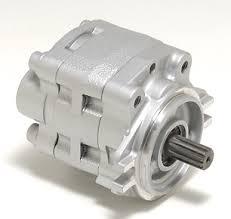
Product Details:
- Working Temperature -10°C to +80°C
- Frequency 50 Hz / 60 Hz
- Noise Level <70 dB
- Caliber 15 mm to 100 mm
- Inlet/Outlet 1/2 to 4 BSP/NPT/Flanged
- Features Compact Design, Durable, Easy Maintenance, High Efficiency
- Speed Up to 2880 rpm
2000 INR/Unit
X
Gear Pumps Price And Quantity
- 1 Unit
- 2000 INR/Unit
Gear Pumps Product Specifications
- Suitable for Oil / Viscous Liquids
- -10°C to +80°C
- 0.5 HP to 15 HP
- 50 Hz / 60 Hz
- Oil Transfer, Lubrication, Hydraulic Oil, Fuel Oil
- <70 dB
- Close Coupled/Monoblock/Motorized
- External Gear
- 15 mm to 100 mm
- 1/2 to 4 BSP/NPT/Flanged
- Compact Design, Durable, Easy Maintenance, High Efficiency
- Up to 2880 rpm
- Up to 10 kg/cm2
- Up to 400 LPM
- Manual / Optional Automatic
- Positive Displacement
- Up to 10 bar
- N/A (pumps only, not engine driven)
- 6 metre
- Baseplate Mounted / Foot Mounted
- Rotary Pump (External Gear Type)
- Industrial/Lubrication/Transfer
- Mechanical Seal / Gland Packing
- 0.5 m3/hr to 25 m3/hr
- IS Standard / Custom
- Up to 100 meters
- Cast Iron / Stainless Steel / Bronze
- Self Priming
- 220V/380V
- Heavy Duty Ball Bearings
- Diesel, Lubricant Oil, Soap Oil, Vegetable Oil, Kerosene, Castor Oil
- EN-8 / SS 304
- up to 1,00,000 cst
- Clockwise/Counter Clockwise
- Smooth Painted / Powder Coated
- Flexible / Rigid Coupling
Gear Pumps Trade Information
- Cash in Advance (CID), Cheque, Cash Advance (CA)
- 2-7 Days
- All India
Product Description
Being a customer centric firm, we are affianced in offering our clients excellent quality Gear Pumps. The offered pumps are manufactured using best-in-class raw materials with the aid of pioneering tools and technology under the strict supervision of our skilled professionals as per market norms. These pumps are widely used in chemical, agricultural and food processing unit. Our clients can avail these Gear Pumps from us at marginal prices.
Major Key Features:
- Trouble-free functioning
- Robust construction
- High performance
- Longer service life
Specification
| Application | Industrial, Commercial |
| Max Operating Temperature | 110 Degree Celsius |
| Speed | Up to 1500 rpm |
High Performance and Versatility
These gear pumps are adept at transferring a wide range of liquids, supporting viscosities up to 1,00,000 cst. Their robust build and multiple shaft material options allow for seamless handling of diesel, lubricant oil, soap oil, vegetable oil, kerosene, castor oil, and more, ensuring reliable operation in diverse industrial settings.
Flexible Design and Easy Integration
Each pump offers flexible or rigid coupling, multiple mounting types (baseplate or foot mounted), and compatibility with different control systems: manual or optional automatic. Inlet/outlet sizes from 1/2 to 4 (BSP/NPT/flanged) and support for 220V or 380V supply make integration effortless.
Efficiency and Low Maintenance
With discharge pressure up to 10 bar, flow rates up to 400 LPM, and noise levels below 70 dB, these pumps assure high efficiency and quiet operation. The smooth painted or powder-coated finish and options for mechanical seal or gland packing simplify upkeep, promising durability and sustained performance.
FAQs of Gear Pumps:
Q: How do I select the appropriate gear pump for transferring highly viscous liquids such as castor oil or lubricant oil?
A: When choosing a gear pump for viscous liquids, consider the viscosity (up to 1,00,000 cst supported), required flow rate (up to 400 LPM), head size (up to 100 meters), and compatible materials (cast iron, stainless steel, or bronze). Specify the inlet/outlet connection and ensure the pumps shaft material (EN-8/SS 304) is suitable for your application.Q: What is the recommended process for installing these gear pumps in an industrial setting?
A: For installation, select either baseplate or foot-mounted configurations. Ensure proper alignment of flexible or rigid couplings and confirm that voltage and frequency match your system (220V/380V, 50/60 Hz). Use the provided mounting structure and follow best practices for sealing (mechanical seal or gland packing) and priming the pump before operation.Q: When should I consider using a self-priming gear pump over other pump types?
A: Opt for a self-priming gear pump when dealing with applications involving viscous or lubricating liquids that require reliable suction up to 6 meters. These pumps excel in scenarios where rapid startup and consistent performance are essential, such as oil transfer, lubrication, and fuel handling tasks.Q: Where are these gear pumps best utilized, and for which type of liquids are they most suitable?
A: These pumps are ideally used in industries requiring transfer or circulation of diesel, lubricant oil, soap oil, vegetable oil, kerosene, castor oil, and similar viscous liquids. Typical applications include lubrication systems, fuel oil transfer, hydraulic oil circulation, and general industrial processes across India and global markets.Q: What maintenance steps are necessary to ensure the optimal performance and longevity of these gear pumps?
A: Routine maintenance should include inspecting the pumps body finish, ensuring seals are intact (mechanical/gland packing), and lubricating heavy duty ball bearings. Check for wear on the shaft (EN-8/SS 304) and couplings, and clean the pump exterior and internal passages regularly to maintain high efficiency and durability.Q: How does the design of these gear pumps benefit industrial users?
A: The compact design, heavy-duty components, and multiple options for coupling, sealing, and mounting offer industrial users robust performance with minimal footprint. High efficiency, easy maintenance, and the ability to handle different viscosities and temperatures translate to lower downtime and greater operational flexibility.Tell us about your requirement

Price:
Quantity
Select Unit
- 50
- 100
- 200
- 250
- 500
- 1000+
Additional detail
Mobile number
Email

Other Products in 'Gear Pumps' category


JYOTI HYDRAULICS
GST : 07FJOPS8627B1ZQ
Contact Details

- A-21, Shop No- 4, Main Road Railway Under Pass, Samaipur Badli, Delhi - 110042, India
- Phone : 08045812580

- Mr. Ravinder (Proprietor)
- Mobile : 08045812580
-
 Send Inquiry
 Send Inquiry
 Send Inquiry
 Send SMS
 Call Me Free

JYOTI HYDRAULICS
All Rights Reserved.(Terms of Use)
Developed and Managed by Infocom Network Private Limited.
Developed and Managed by Infocom Network Private Limited.
